Hondarrabi Beltza
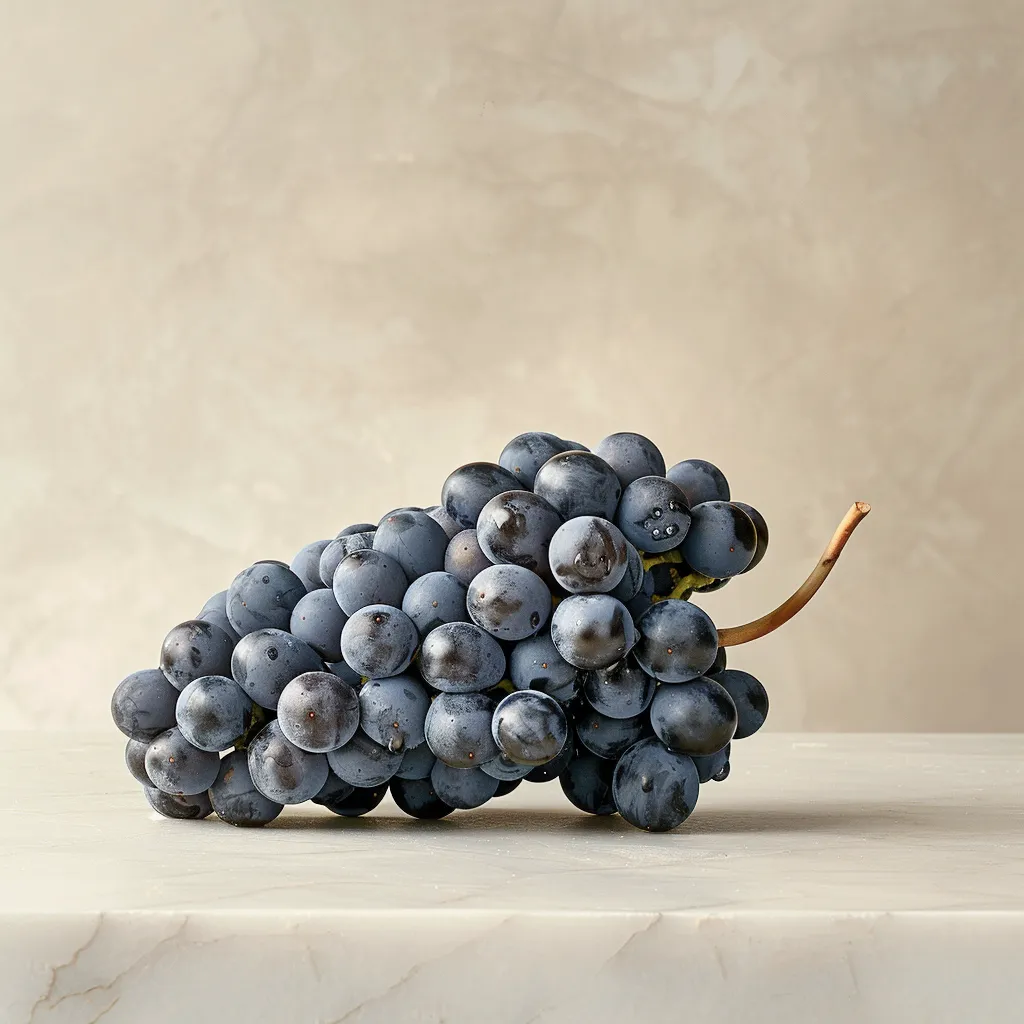
Hondarrabi Beltza is an ancient Vitis vinifera grape variety traditionally cultivated in the Spanish Basque Country, near the border with France. It is also found in Cantabria and Castilla y León, with small plantings in the French Basque region. Although relatively rare, it holds historical significance and is believed to be related to Cabernet Franc, Cabernet Sauvignon, Gros Cabernet, Malbec (Côt), and Carménère. The variety is primarily used to produce red and rosé wines, particularly in the Txakoli wine region.
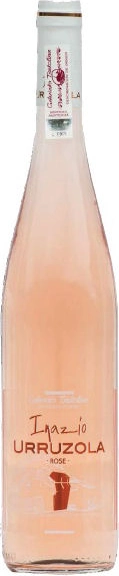
Hondarrabi Beltza wines are deep carmine red with violet reflections. The wines are fruity and fleshy, with smooth tannins, high acidity, and moderate alcohol. They develop aromas of red and dark fruits, herbal notes, and occasional salty hints, reflecting their coastal influence. In Spain, it is also used to produce fresh, vibrant rosés that are best enjoyed young.
Hondarrabi Beltza is primarily grown in the Basque Country, both in Spain and France, where it thrives in light, well-drained soils. It prefers less fertile soils and performs best when trained on trellises, though it can tolerate short pruning. The grape has an early bud break and a late ripening period, making it sensitive to cooler autumn conditions. It is prone to powdery mildew but is slightly less susceptible to downy mildew.
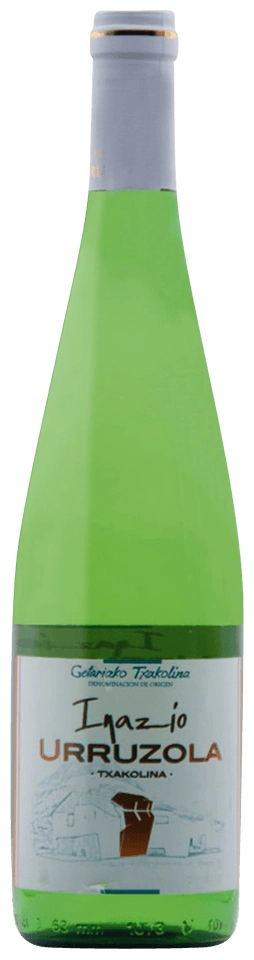
Hondarrabi Beltza is the traditional red grape of Txakoli, a wine region better known for its crisp, slightly effervescent white wines made from its white counterpart, Hondarrabi Zuri.