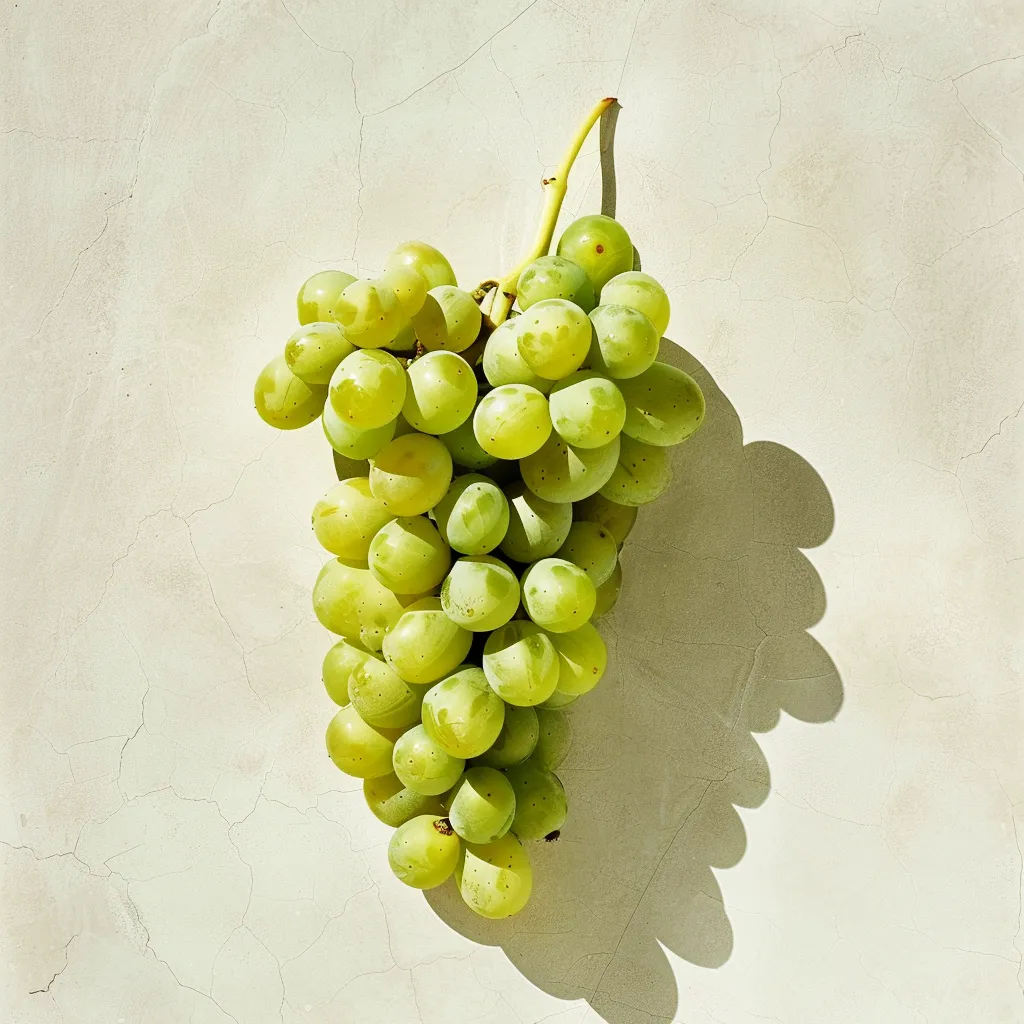
Hamdani
Hamdani, also known as Marawi, is an indigenous white grape variety native to Israel/Palestine. It is characterized by green-yellow berries with a crisp texture, moderate acidity, and natural sweetness. This ancient variety has historical significance, with mentions dating back to the 17th century in Jerusalem and potential references as early as A.D. 220 in the Babylonian Talmud. Hamdani has been rediscovered and cultivated by local wineries aiming to revive the region’s historical winemaking traditions.
Wines made from Hamdani tend to have a pale golden hue with bright clarity. They exhibit delicate floral and fruity aromas, often with notes of citrus, green apple, and stone fruit. On the palate, the wine is fresh and crisp, with moderate acidity and a balanced, slightly honeyed finish.
Hamdani is primarily grown in the regions of Hebron and Bethlehem, as well as other areas in Israel/Palestine. It thrives in the Mediterranean climate, with warm, dry summers and limestone-rich soils that contribute to its mineral-driven character. The variety has been traditionally cultivated in Palestinian vineyards, with wineries such as Cremisan Cellars and Recanati producing wines from these historic grapes.
Hamdani is one of the grape varieties involved in efforts to recreate wines from ancient times.
Some researchers believe it may be linked to the wines consumed during the time of King David and Jesus Christ.