Caricagiola
Caricagiola is a red grape variety indigenous to Sardinia, primarily found in the Gallura region in the northwestern part of the island. Known for its high productivity, Caricagiola is also called Bonifaccenco, Carcajola, and Garrigadolza. The variety’s name is derived from the Corsican dialect "Carcaghjolu Nero," meaning "the black one that gives lots of grapes." Despite earlier theories, genetic studies have shown its relation to the little-known Nieddu Procco, not Mourvèdre or the similarly named Corsican variety Carcajola.
Caricagiola wines are deeply colored with aromas of both black and red berries, such as blackberries and raspberries, accompanied by rustic tannins and high acidity. The wines tend to be fruity, light, and fresh compared to other Sardinian varieties like Carignano or Cannonau. Although the wines have a relatively high acidity, they offer good potential for blending, contributing freshness and brightness to richer, more alcoholic wines. On the palate, Caricagiola wines are medium-bodied, with fruit-forward, spicy notes and a clean, refreshing finish.
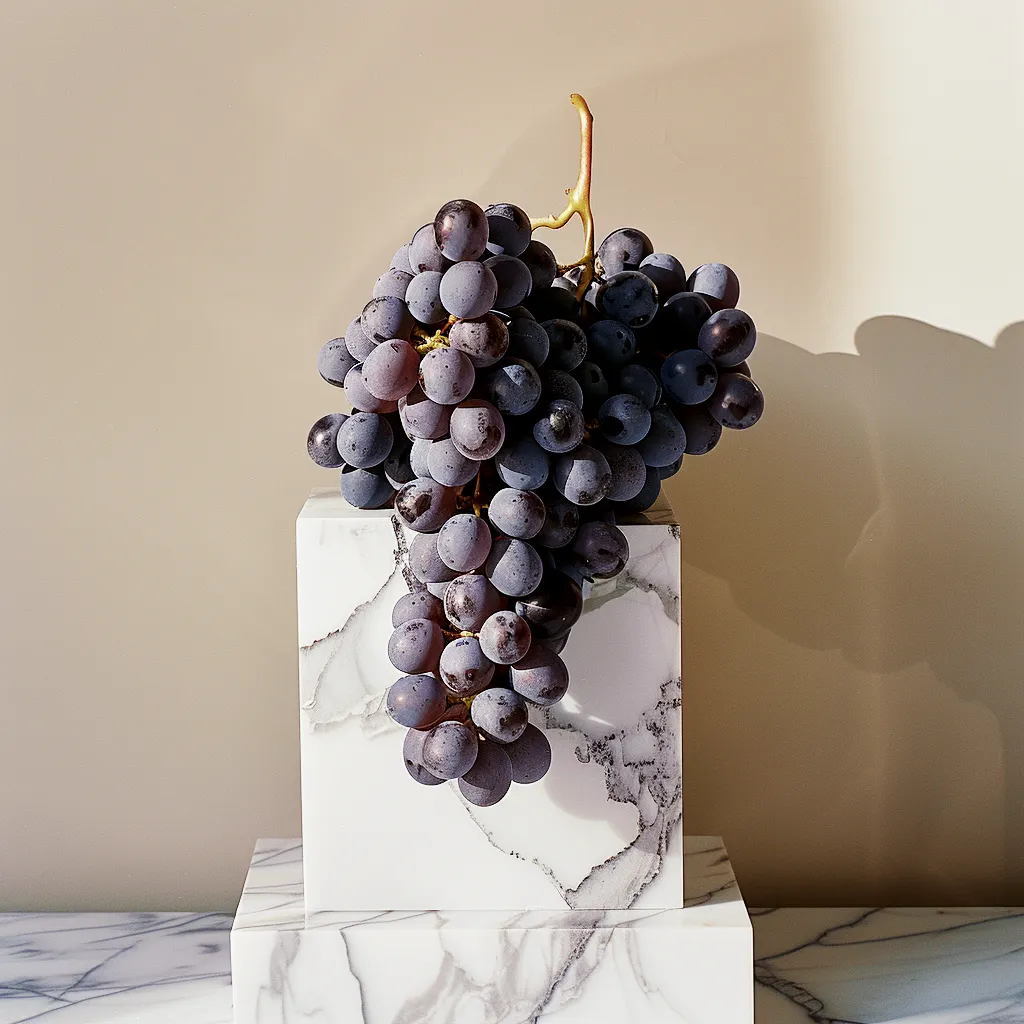
Caricagiola is predominantly grown in Sardinia, particularly in the Gallura region. The grape thrives in loose, siliceous-clay soils with a warm climate. It is highly productive, with medium-sized bunches that are often conical or cylindrical with occasional wings. The grape’s thick, dark purple skin and abundant pruina contribute to the grape’s deep color. Caricagiola is resilient to many common pests and climate challenges, though it is susceptible to acid rot. The variety ripens between the end of September and the beginning of October and is well-adapted to the Sardinian landscape, though it has also been found in Corsica and Spain.
Caricagiola’s name, meaning "the one that gives lots of grapes," reflects its incredibly high yields.
Despite its productivity, it’s distinct from other Mediterranean varieties like Mourvèdre and Carcajola, with genetic tests confirming it as related to the lesser-known Nieddu Procco. The grape’s ability to thrive in warm climates and contribute freshness to blends makes it a key player in Sardinia’s wine industry.